Role-Based Learning Roadmaps
Pick the role you're aiming for and follow a structured path to get there — the tools, the order to learn them in, and real projects to prove you can use them.
Choose Your Role
Each one links to a full step-by-step roadmap
38 domains

Frontend Developer
Master the art of building responsive, interactive user interfaces: HTML5, CSS3 with Flexbox and Grid, JavaScript ES6+, and a modern framework like React, Vue, or Angular. Progress through state management, component architecture, accessibility (WCAG), build tools like Webpack and Vite, and UI/UX fundamentals — then build a portfolio of live projects.
Backend Developer
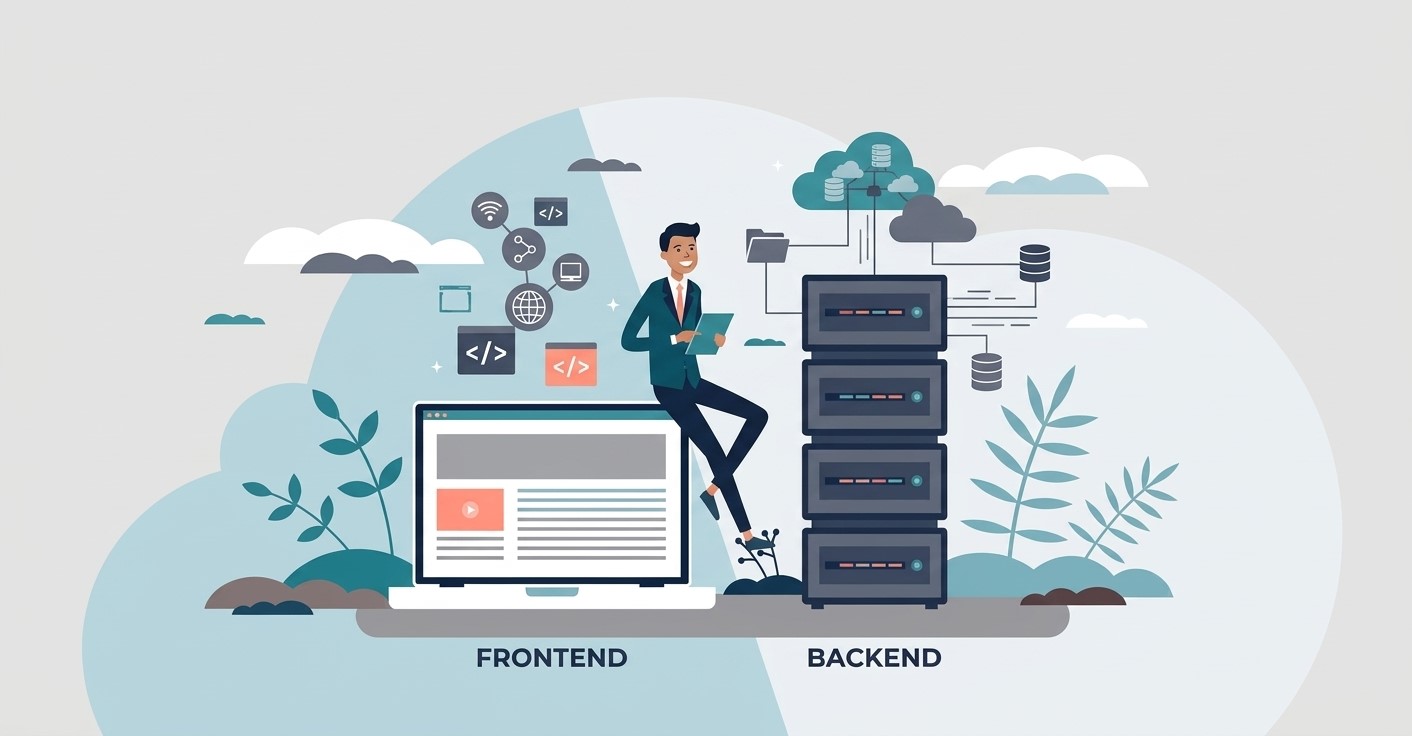
Become proficient in server-side development and system architecture. Pick a primary language (Node.js, Python, Java, or Go) and learn RESTful API design, GraphQL, SQL and NoSQL databases, auth (JWT, OAuth2), caching, message queues, microservices, Docker, and scalable system design — the skills behind backend systems that hold up under real traffic.
DevOps Engineer
Master the practices and tools that bridge development and operations: Linux administration, shell scripting, Git, CI/CD pipelines, Docker, Kubernetes, infrastructure as code (Terraform, Ansible), cloud platforms (AWS, Azure, GCP), monitoring (Prometheus, Grafana), and DevSecOps. One of the highest-paid entry points into infrastructure work.
Platform Engineer
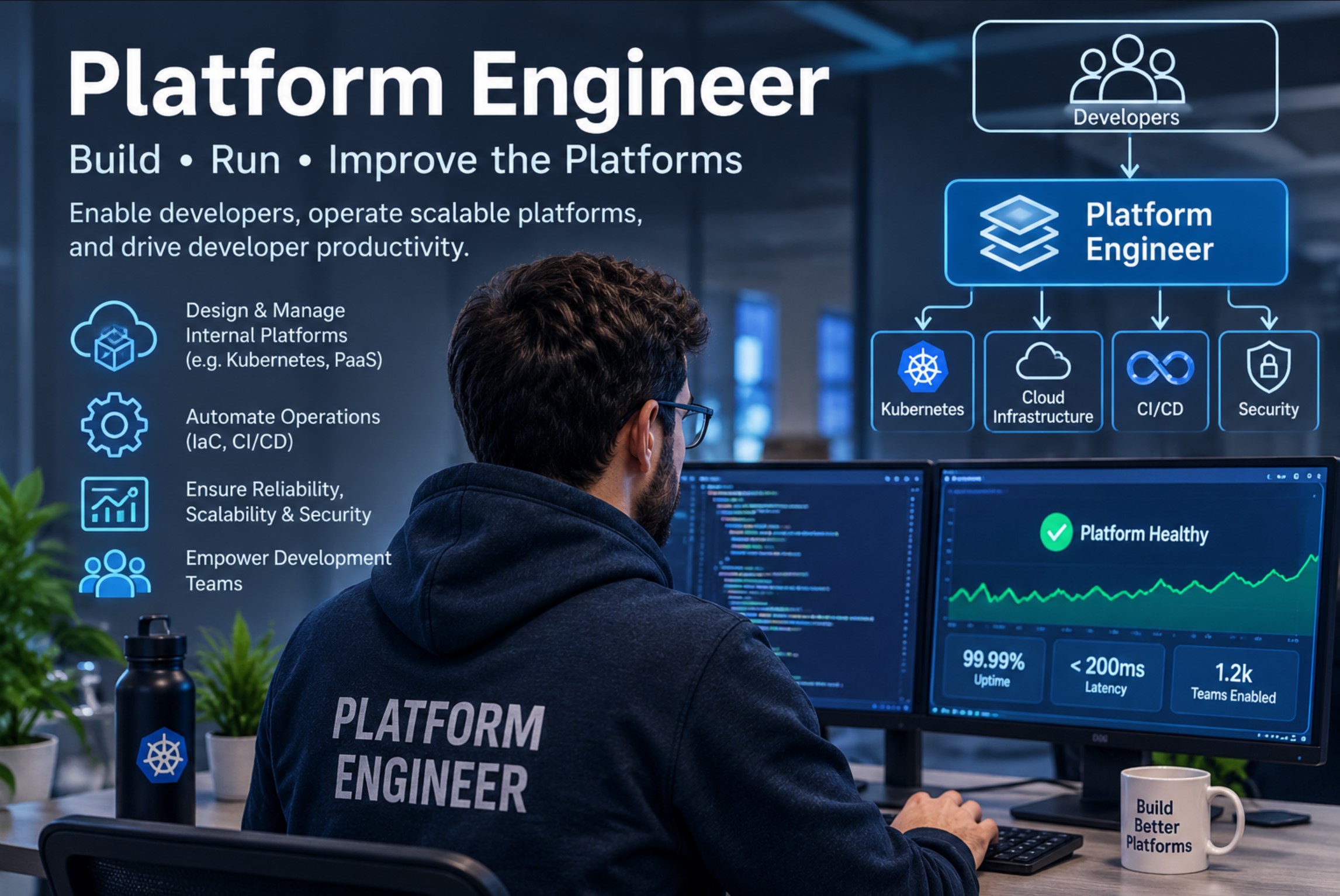
Build the internal developer platforms that let teams ship faster and safer: Linux and scripting, Git and GitOps, containers and Kubernetes, infrastructure as code (Terraform), CI/CD pipelines, cloud platforms, observability, and self-service tooling that turns infrastructure into a product for developers.
Full-Stack Developer
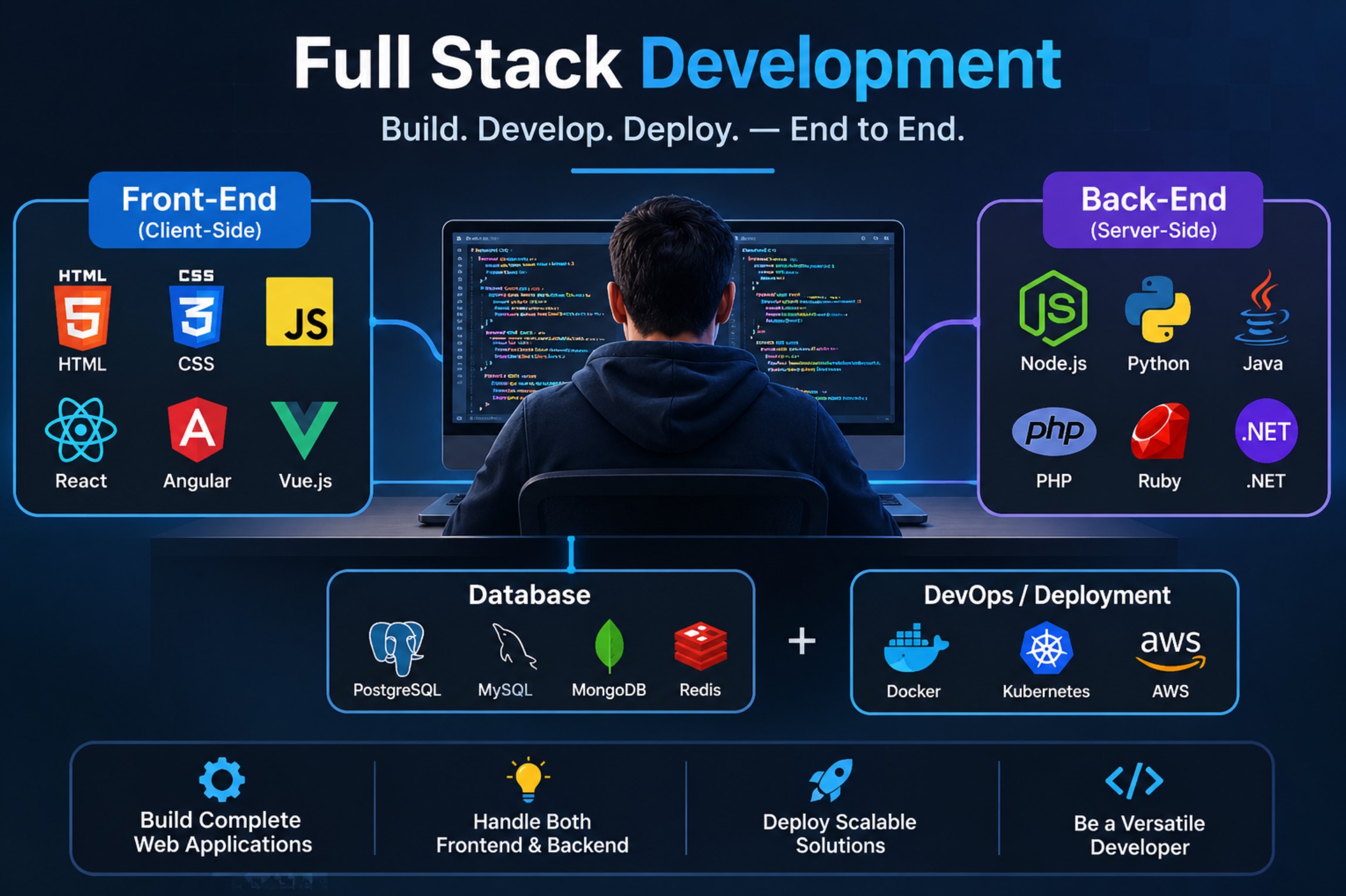
Combine the essential skills from frontend and backend so you can architect, build, and ship a complete application on your own. Learn the MERN stack or an equivalent, database design, API development, authentication, deployment, and cloud hosting — and how it all connects into one production-ready product.

Software Architect
Step into a senior technical leadership role designing systems at scale: architectural patterns (microservices, event-driven, serverless), scalability, performance, security architecture, cloud and database architecture, technical decision-making, documentation, and mentoring.
AI Engineer
Build a foundation in Python and the underlying maths — linear algebra, calculus, statistics — then move into machine learning, deep learning, NLP, computer vision, TensorFlow and PyTorch, model training, MLOps, deployment, and working with large language models.
iOS Developer
Learn Swift and SwiftUI (plus UIKit fundamentals), Xcode, Apple's Human Interface Guidelines, Core Data, networking, App Store submission, and testing — the full path to shipping polished, production-ready iPhone and iPad apps.
UX Design
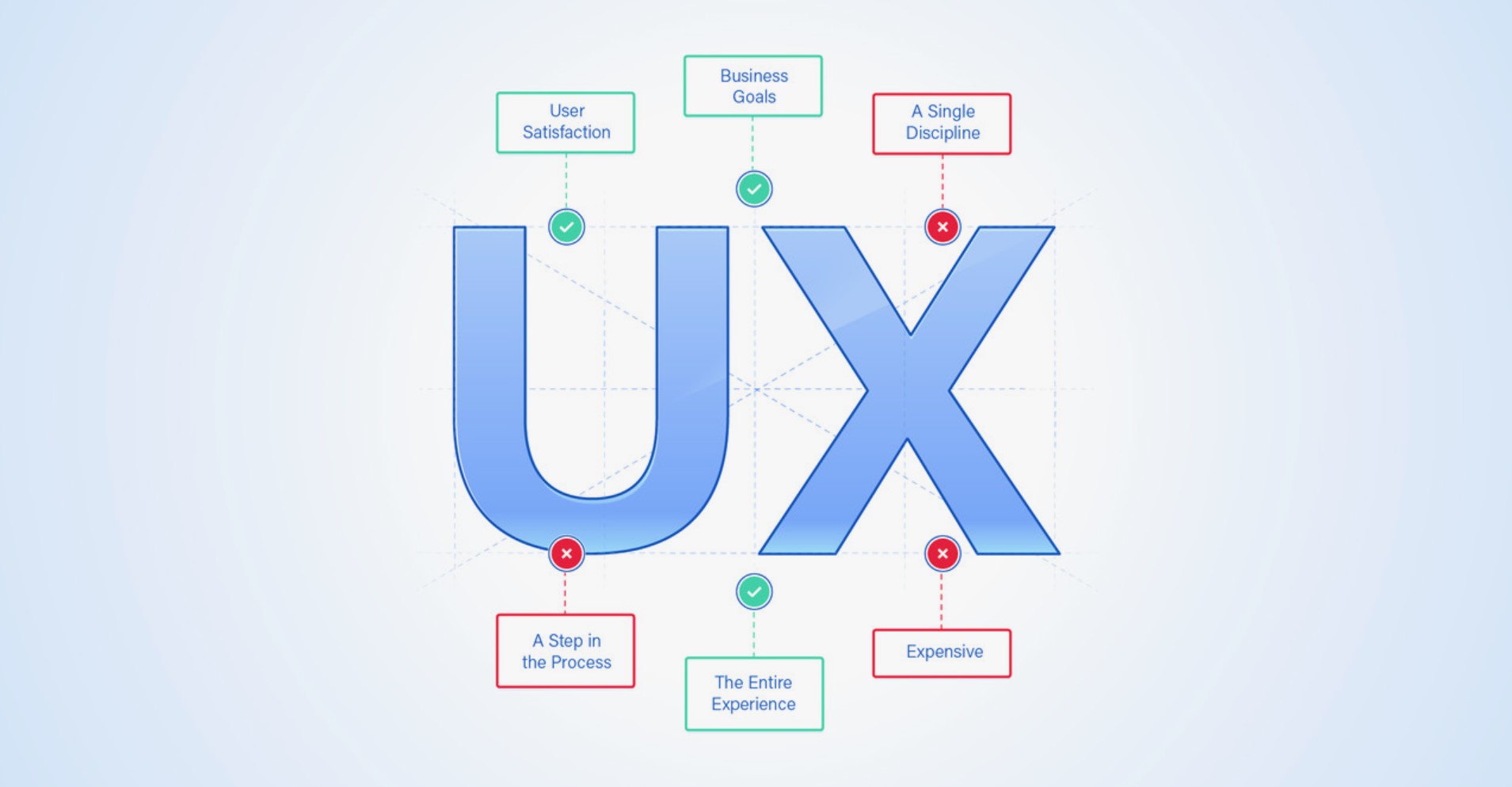
Develop user research methods, wireframing, prototyping in Figma, information architecture, interaction design, usability testing, and design systems — turning user needs into interfaces that are both intuitive and effective.

BI Analyst
Learn SQL, data modelling, dashboarding tools like Power BI and Tableau, KPI design, and stakeholder reporting — turning raw business data into the insights that drive decisions.
Game Developer
Get hands-on with a game engine (Unity or Unreal), C# or C++, game physics, 3D/2D graphics, level design, and multiplayer networking — then ship a playable project from concept to release.

Cyber Security
Build skills in networking fundamentals, threat modelling, penetration testing, security frameworks, incident response, and tools like Wireshark and Burp Suite — the foundation for defending systems and data.

Digital Forensics
Investigate incidents and recover evidence: forensic imaging, file systems, Windows, Linux and macOS artifacts, memory, network, mobile and cloud forensics, malware analysis, and expert reporting.

Android Developer
Learn Kotlin, Jetpack Compose, Android Studio, MVVM architecture, Room, networking, and Google Play publishing — the complete path to building and shipping native Android apps.

Network Engineer
Master routing and switching, TCP/IP, subnetting, firewalls, VPNs, wireless networking, and vendor platforms like Cisco — the skills behind designing and keeping networks running reliably.
PostgreSQL
Go deep on relational database design, indexing, query optimisation, transactions, replication, and administration in PostgreSQL — for building and running databases that scale.
Machine Learning
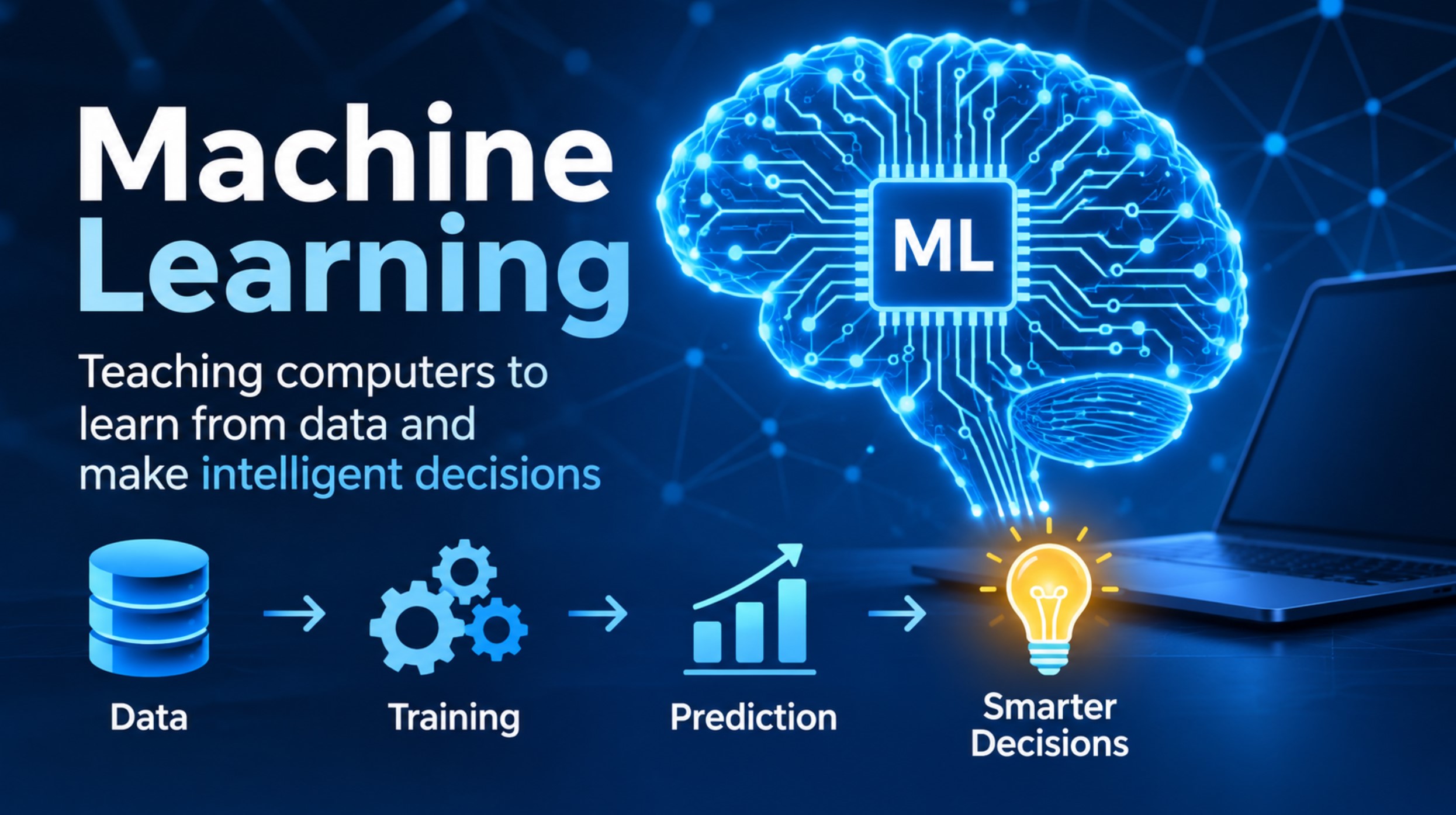
Build up the maths (linear algebra, statistics, calculus), then move through supervised and unsupervised learning, model evaluation, feature engineering, and deep learning frameworks — turning data into predictive systems.

Data Analyst
Learn SQL, Excel, Python (Pandas), statistics, and data visualisation tools like Tableau or Power BI — the core skillset for exploring data and communicating what it means.
Data Engineer
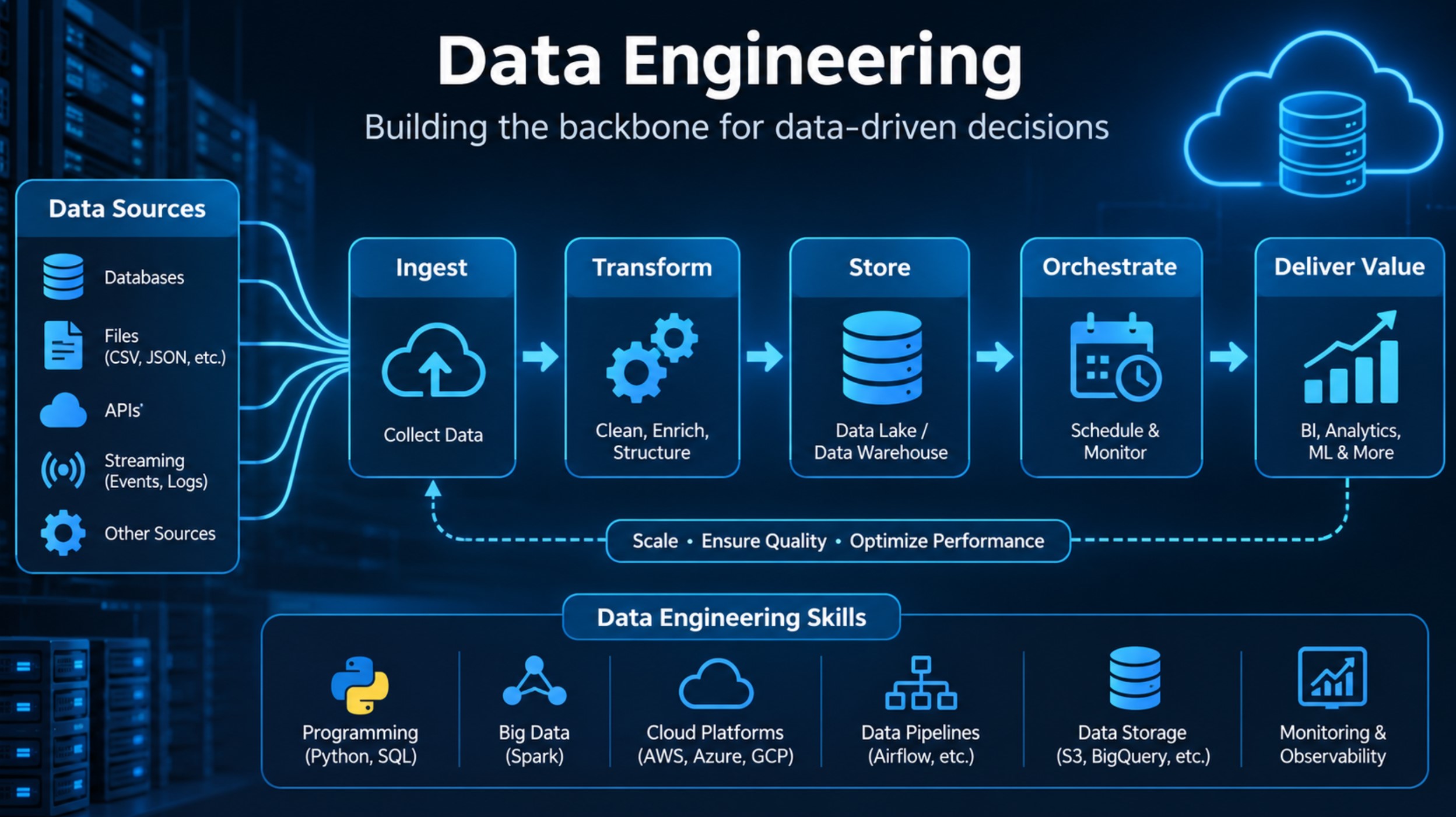
Master data pipelines, ETL/ELT, SQL and NoSQL databases, distributed systems like Spark, workflow orchestration (Airflow), and cloud data warehouses — the infrastructure that keeps data flowing reliably.

QA Engineer
Learn manual and automated testing, test planning, frameworks like Selenium and Cypress, API testing, CI integration, and bug tracking — the discipline behind shipping software that actually works.

Product Manager
Develop product strategy, roadmapping, user research, prioritisation frameworks, stakeholder communication, and metrics-driven decision-making — the skills behind steering a product from idea to launch.

Engineering Manager
Move from writing code to leading teams: 1:1s and coaching, hiring, technical planning, cross-team communication, performance management, and balancing delivery with team growth.
DevSecOps
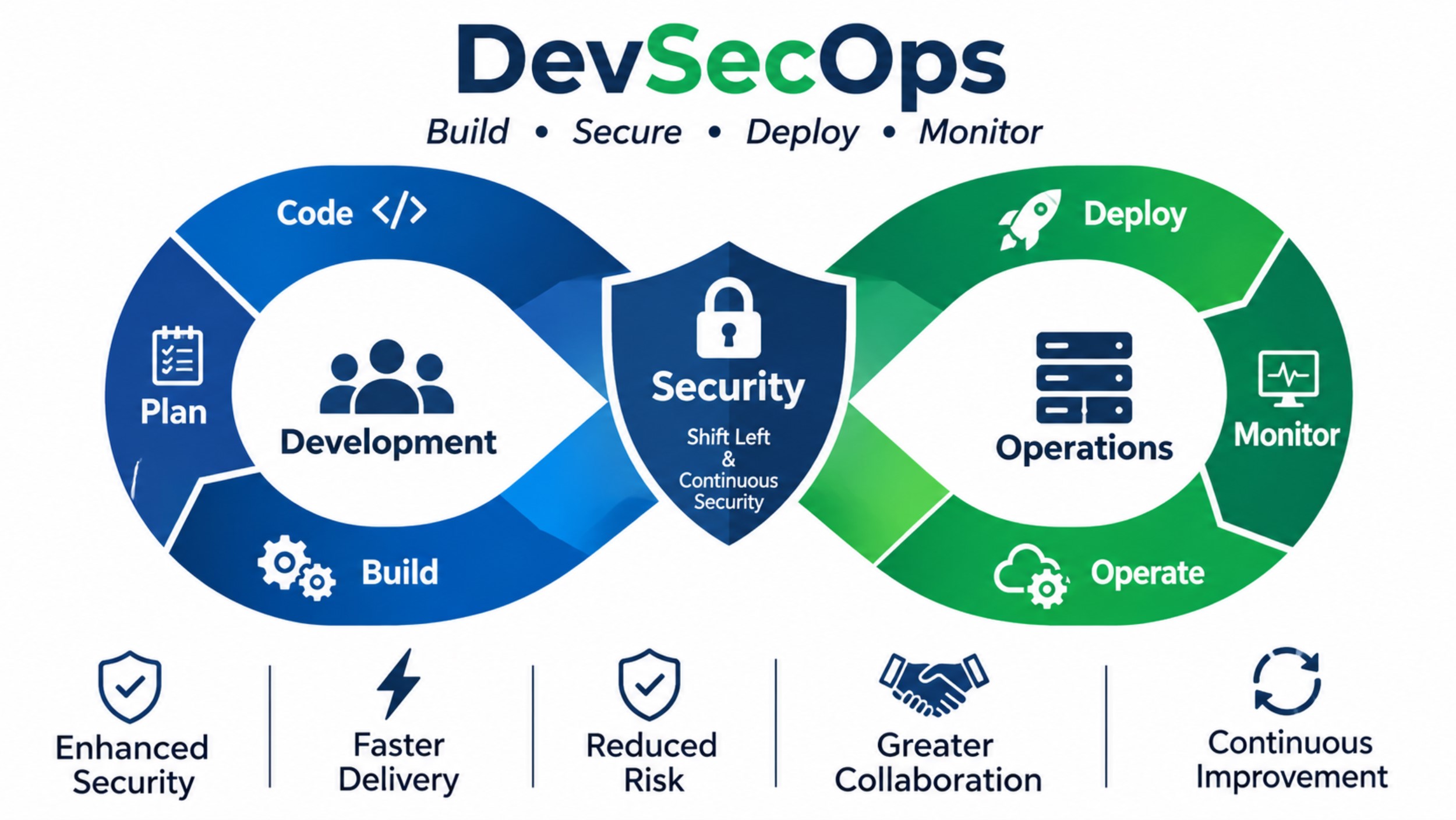
Bake security into every stage of the pipeline: threat modelling, SAST/DAST scanning, secrets management, container and IaC security, compliance automation, and building the guardrails that let teams ship fast without shipping vulnerabilities.

Blockchain
Learn distributed ledger fundamentals, smart contracts with Solidity, Ethereum and EVM-compatible chains, wallets and cryptography, gas optimisation, and Web3 tooling — the skills behind building decentralised applications.

AI & Data Scientist
Blend statistics, Python, and machine learning to turn data into decisions: exploratory analysis, model building and evaluation, experiment design, feature engineering, and communicating findings to stakeholders.
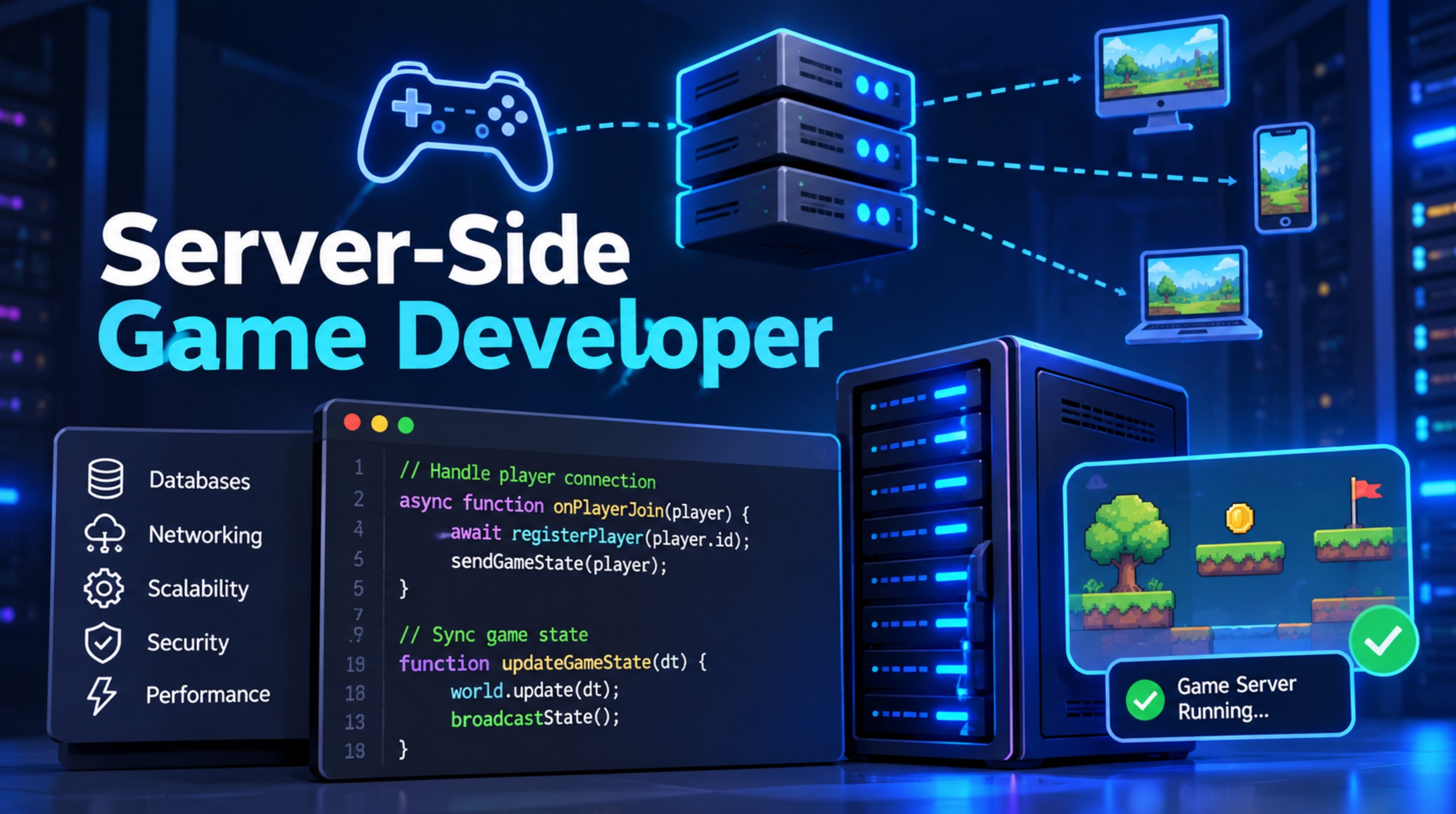
Server-Side Game Developer
Build the backend that keeps multiplayer games running: game servers, netcode and state synchronisation, matchmaking, scalable infrastructure, databases for player data, and low-latency networking.
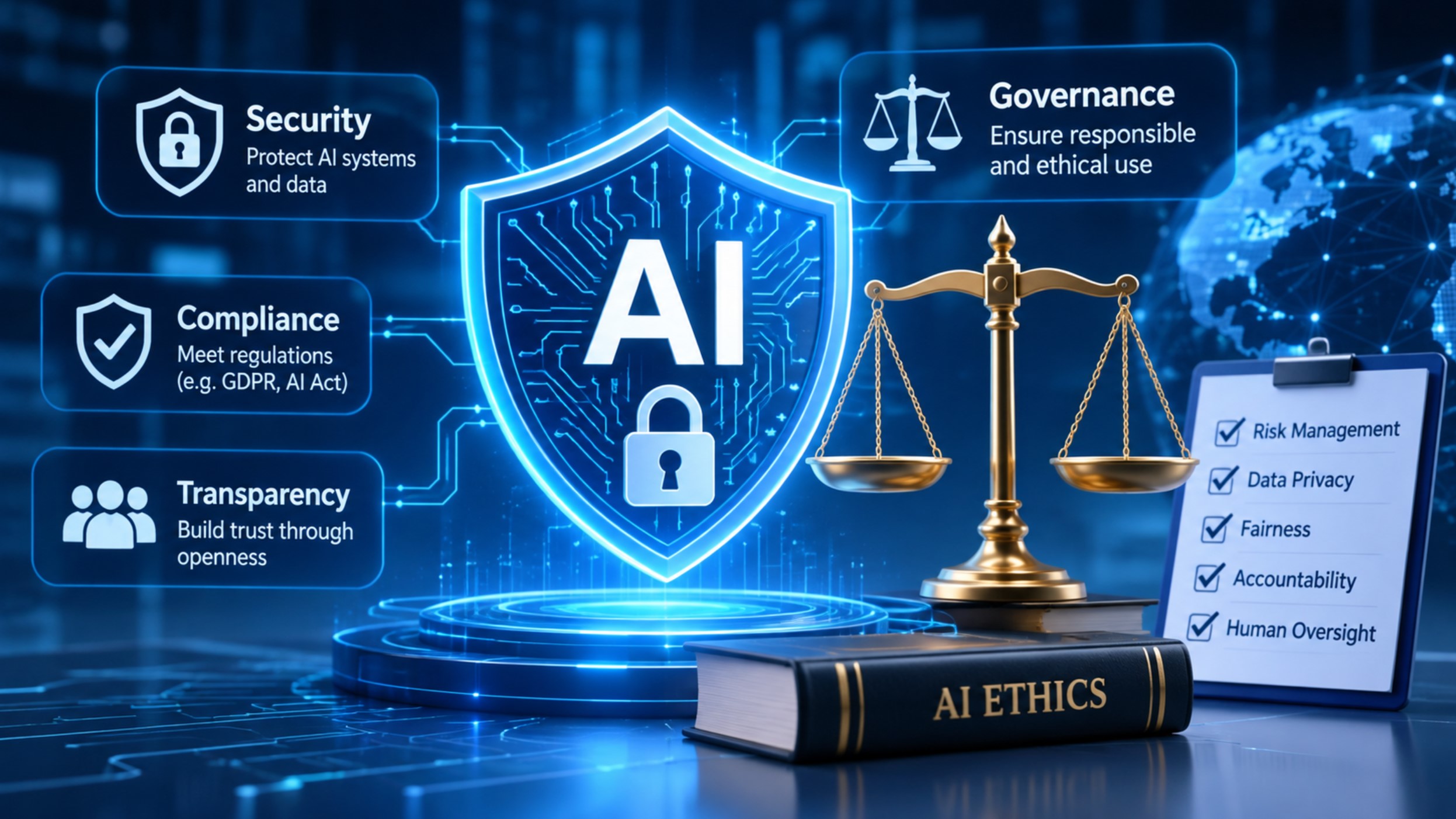
AI Security & Governance
Secure AI systems and govern them responsibly: threat modelling for models and LLM apps, prompt-injection and data-leak defences, guardrails, risk frameworks, auditing, and regulatory compliance.
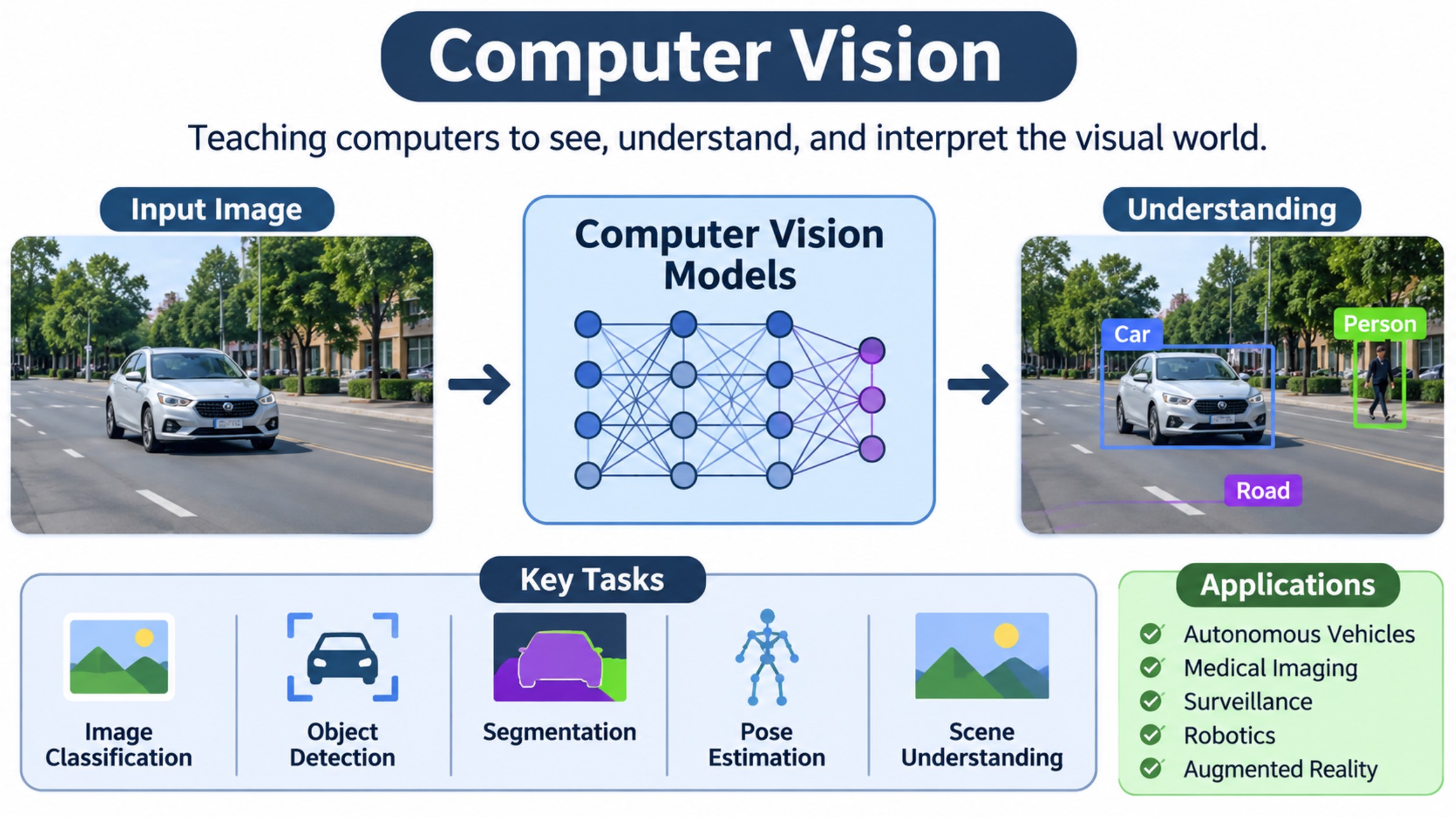
Computer Vision
Teach machines to understand images, video, and 3D: image fundamentals, deep learning and CNNs, object detection, segmentation, vision-language and generative models, video understanding, 3D vision, and deploying vision models to production.
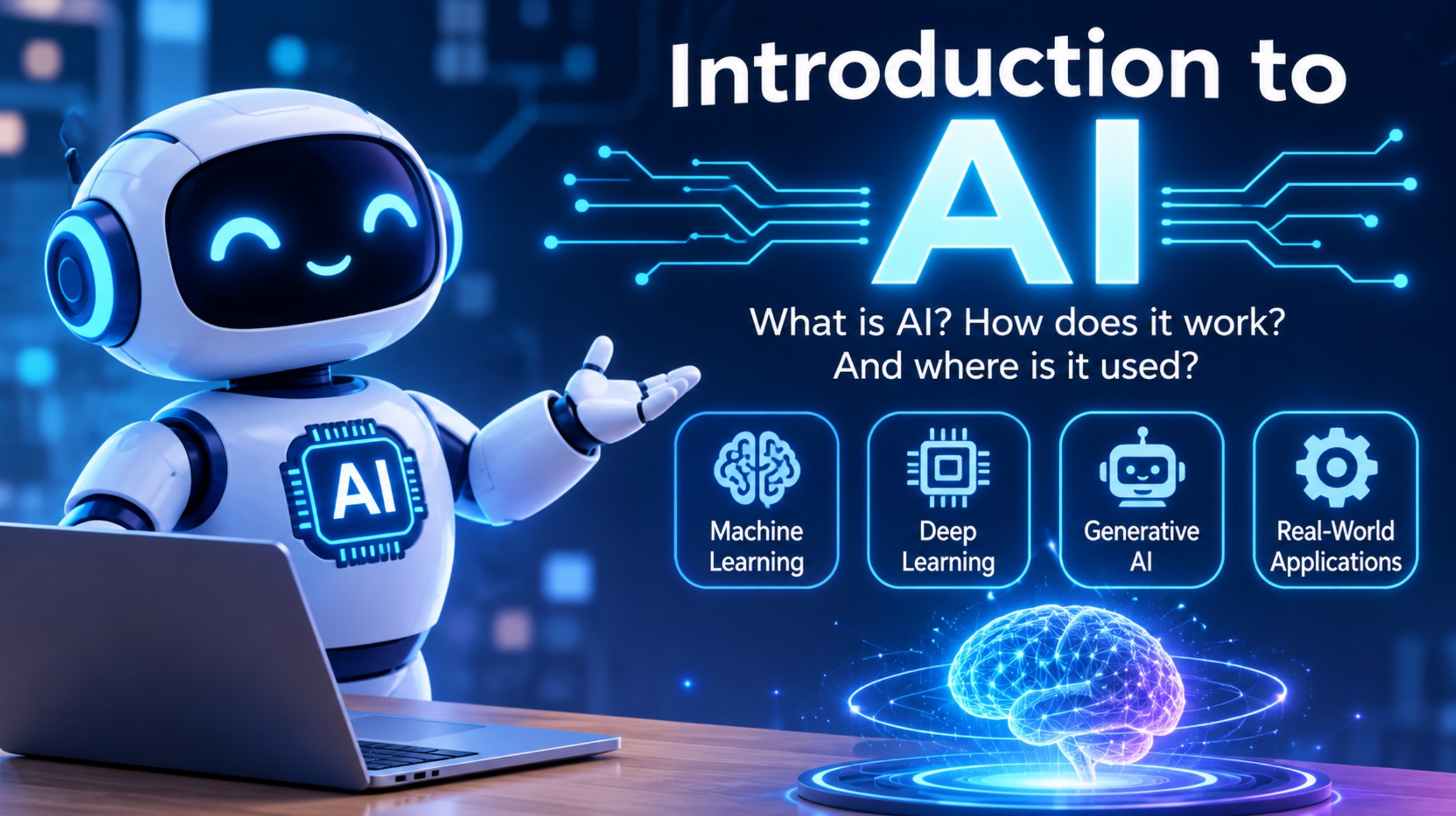
Introduction to AI
Start here to understand what AI really is: core concepts and terminology, the history and main branches of the field, how machine learning and generative AI work, and where AI is used today.
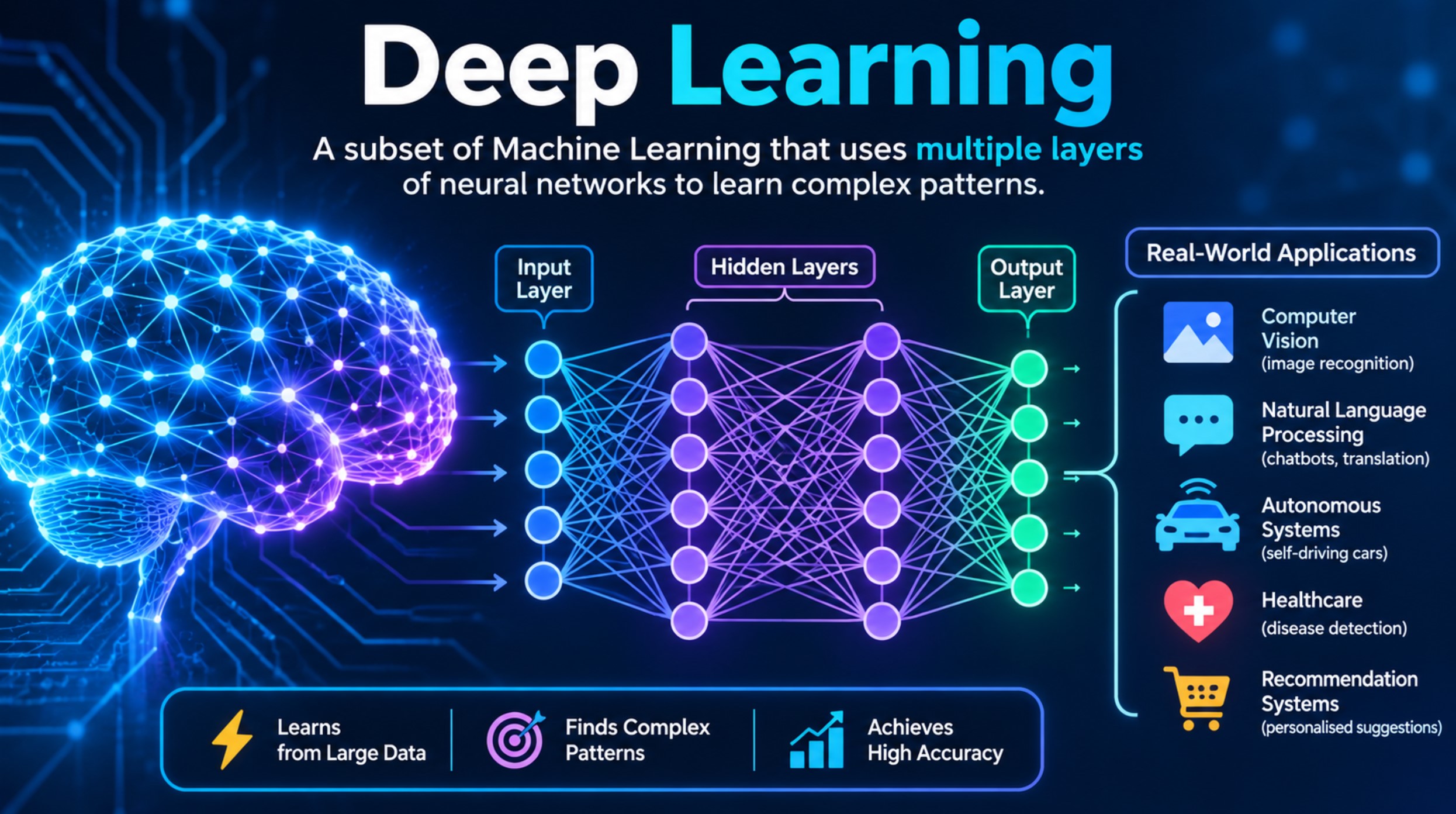
Deep Learning
Go deeper with neural networks: backpropagation, optimisation, CNNs, RNNs and transformers, training and tuning models, and building them with frameworks like TensorFlow and PyTorch.
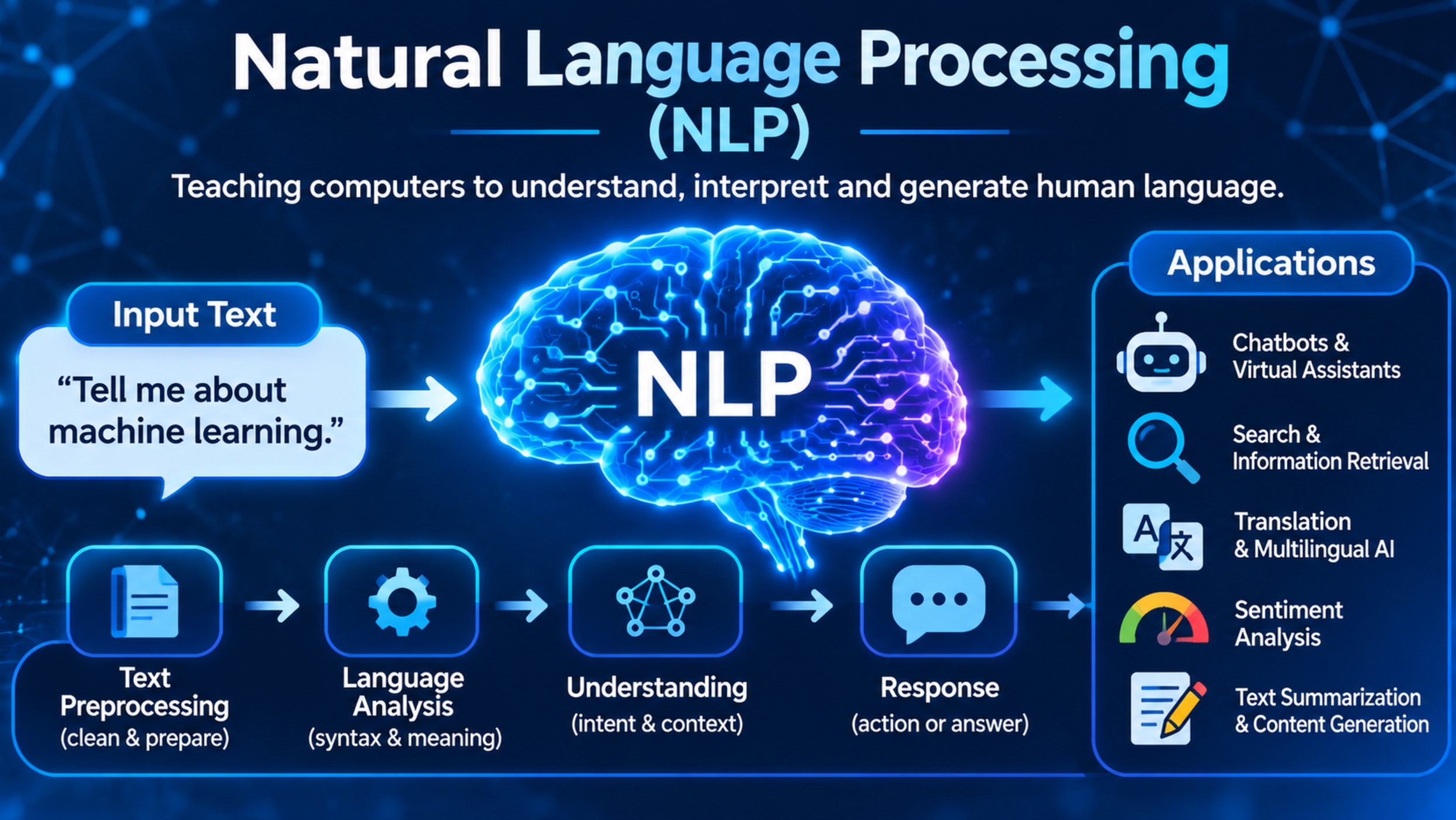
Natural Language Processing
Process and generate human language: text preprocessing, embeddings, classification, translation, summarisation, and modern transformer-based NLP techniques.
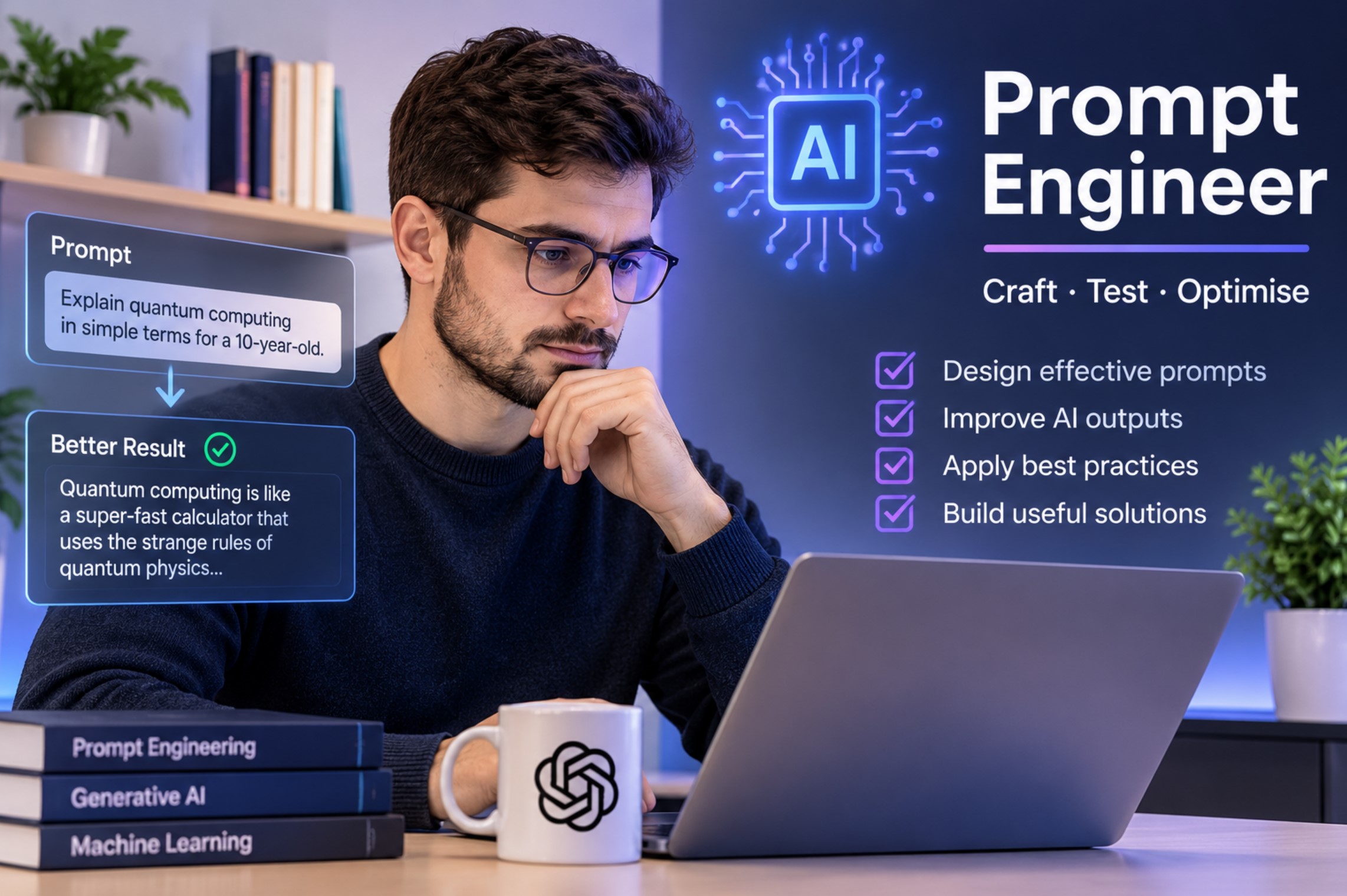
Prompt Engineering
Craft effective prompts to get the best out of AI models: prompting patterns, structured outputs, context management, evaluation, and building reliable LLM-powered workflows.

Agentic AI
Build autonomous AI agents that plan, use tools, and act: agent architectures, tool calling, memory, multi-agent systems, guardrails, and evaluating agent behaviour.
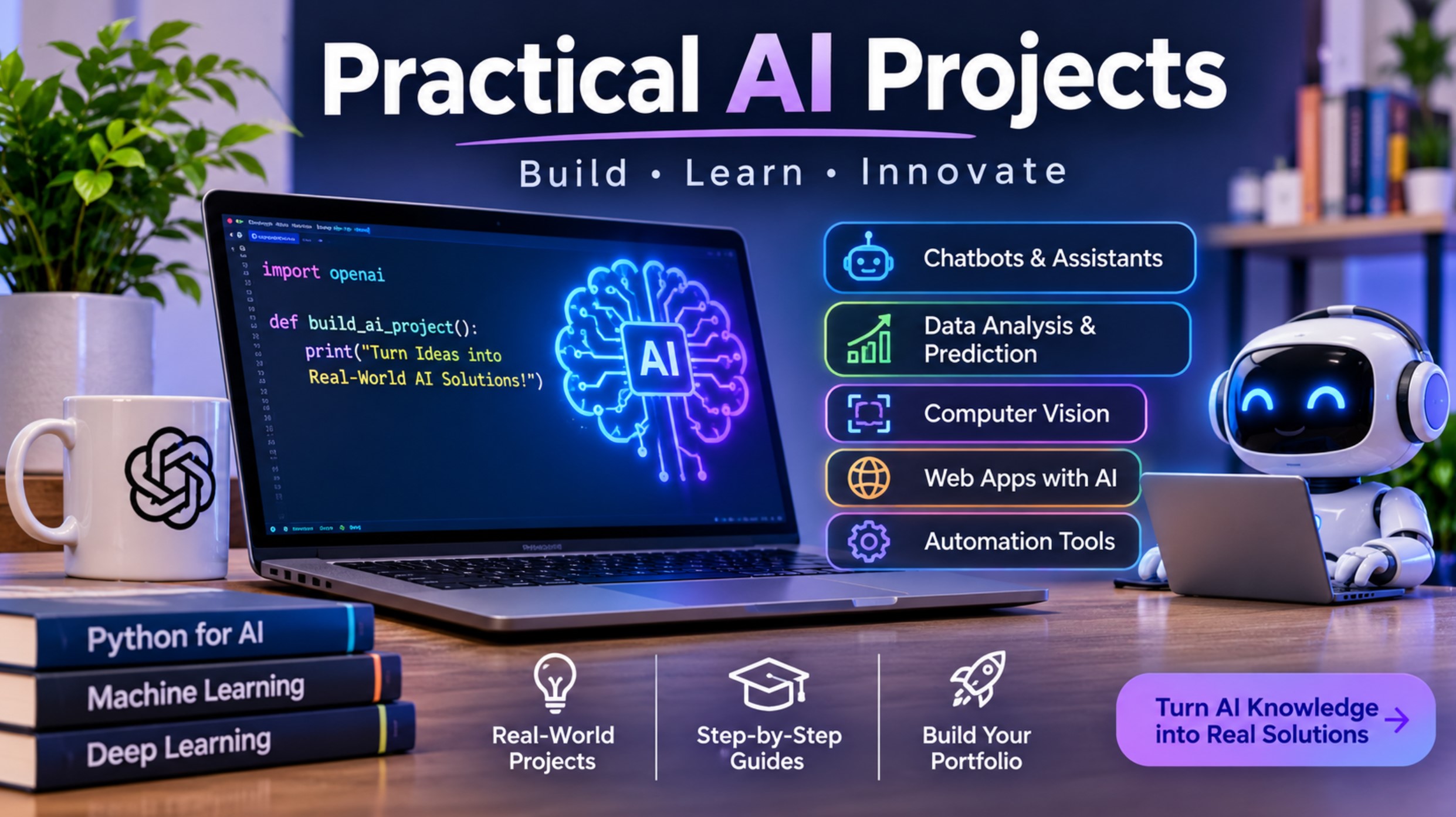
Practical AI Projects
Apply what you've learned by building real AI projects: from data preparation and model training to deployment, with portfolio-ready work you can show employers.
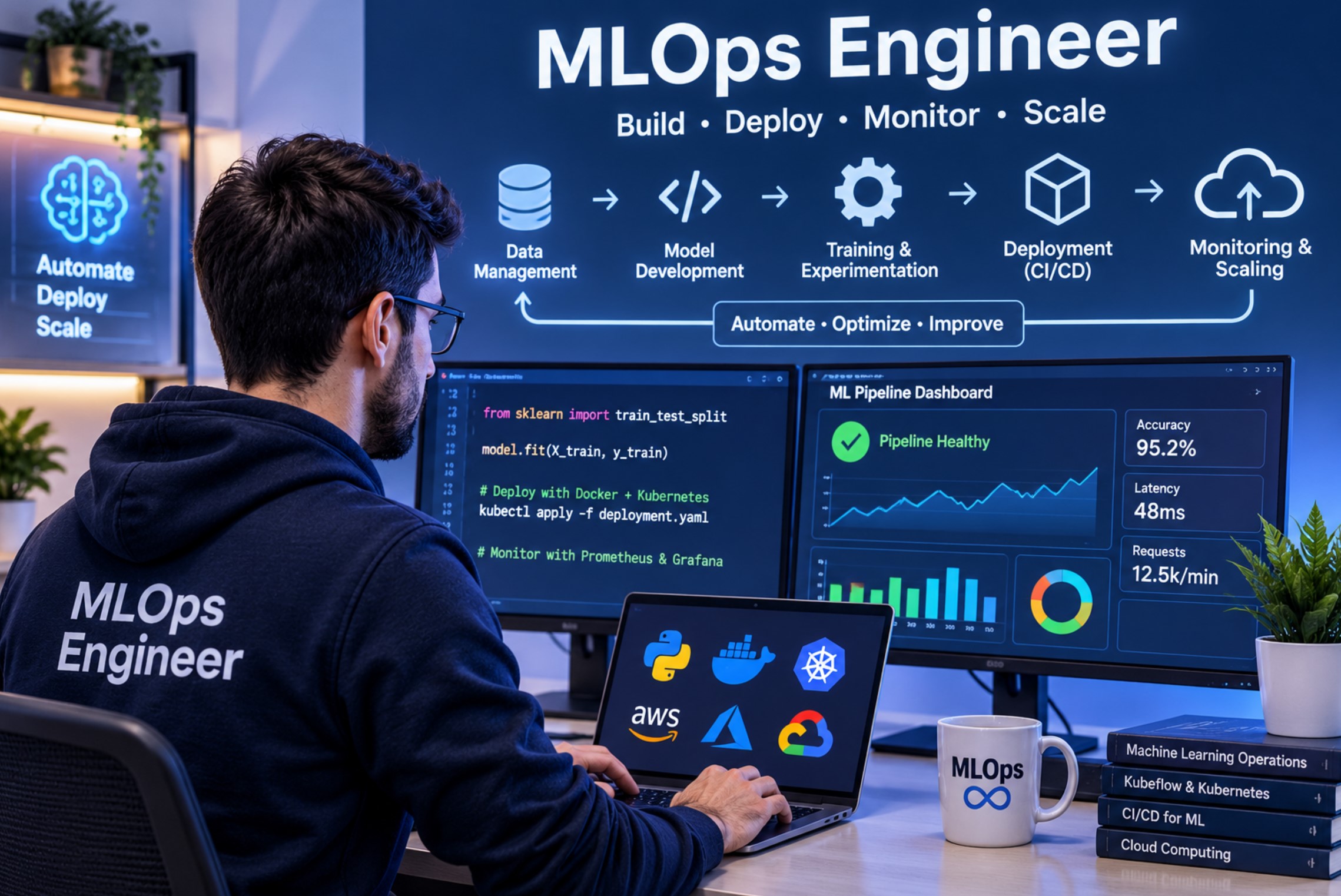
MLOps Engineer
Deploy, monitor, and scale machine learning models in production: pipelines, versioning, CI/CD for ML, containers, orchestration, monitoring, and keeping models reliable over time.

Big Data
Process data at scale with Hadoop-style storage, Apache Spark, Kafka streaming, NoSQL stores, data warehouses and lakehouses, and Airflow orchestration — the toolkit for pipelines that handle billions of records.
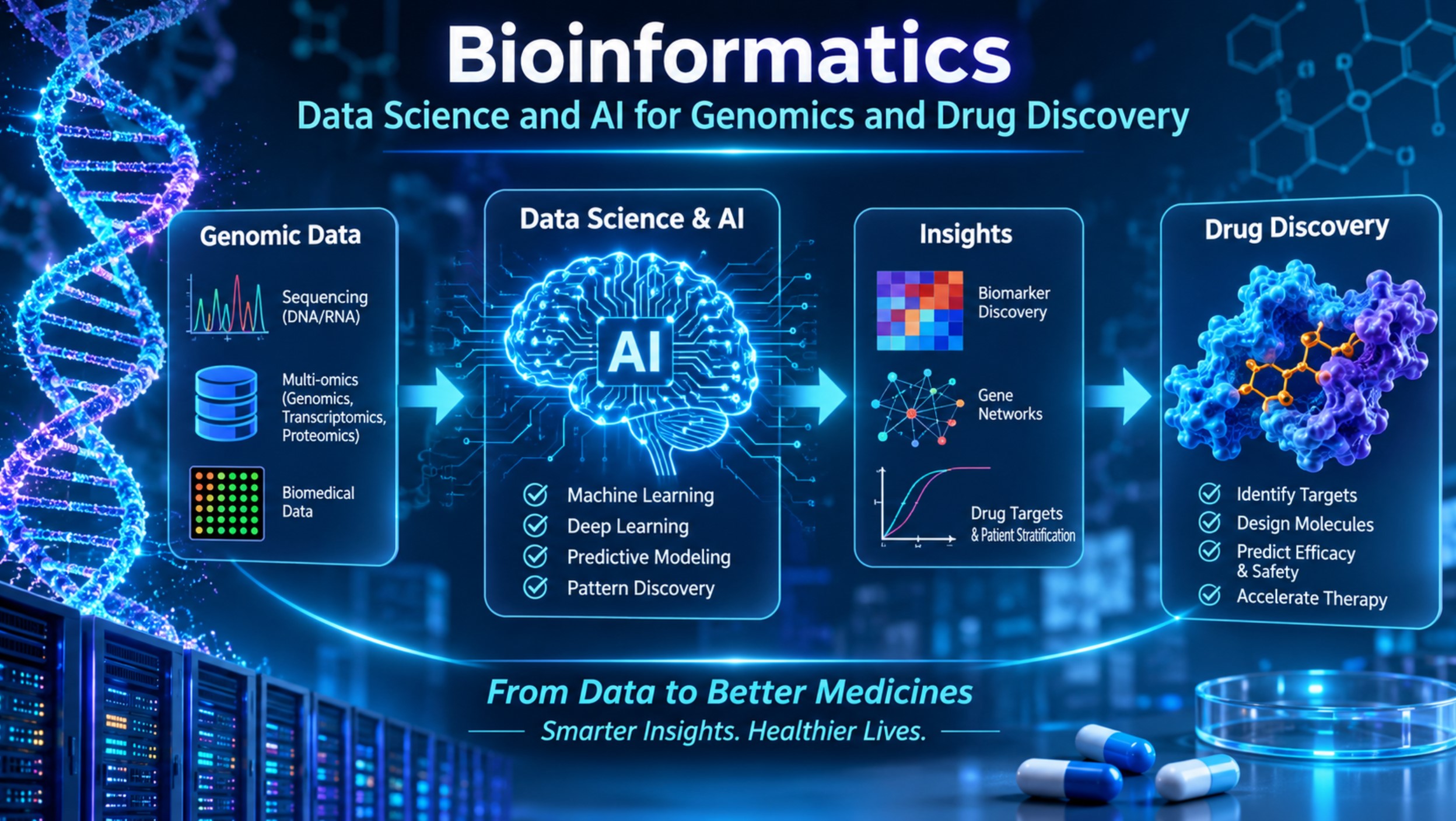
Bioinformatics
Combine biology and computing: sequence alignment with BLAST, NGS data and variant calling, RNA-seq analysis, protein structure, and reproducible pipelines in Python, R, and Nextflow.

Cloud Architect
Design secure, resilient, cost-efficient systems across AWS, Azure, and Google Cloud: networking, compute, storage, IAM, infrastructure as code, disaster recovery, and the Well-Architected principles.

Robotics Engineer
Design, build, and program robots: kinematics and control, sensors and perception, ROS 2, motion planning, simulation, and deploying autonomous systems on real hardware.
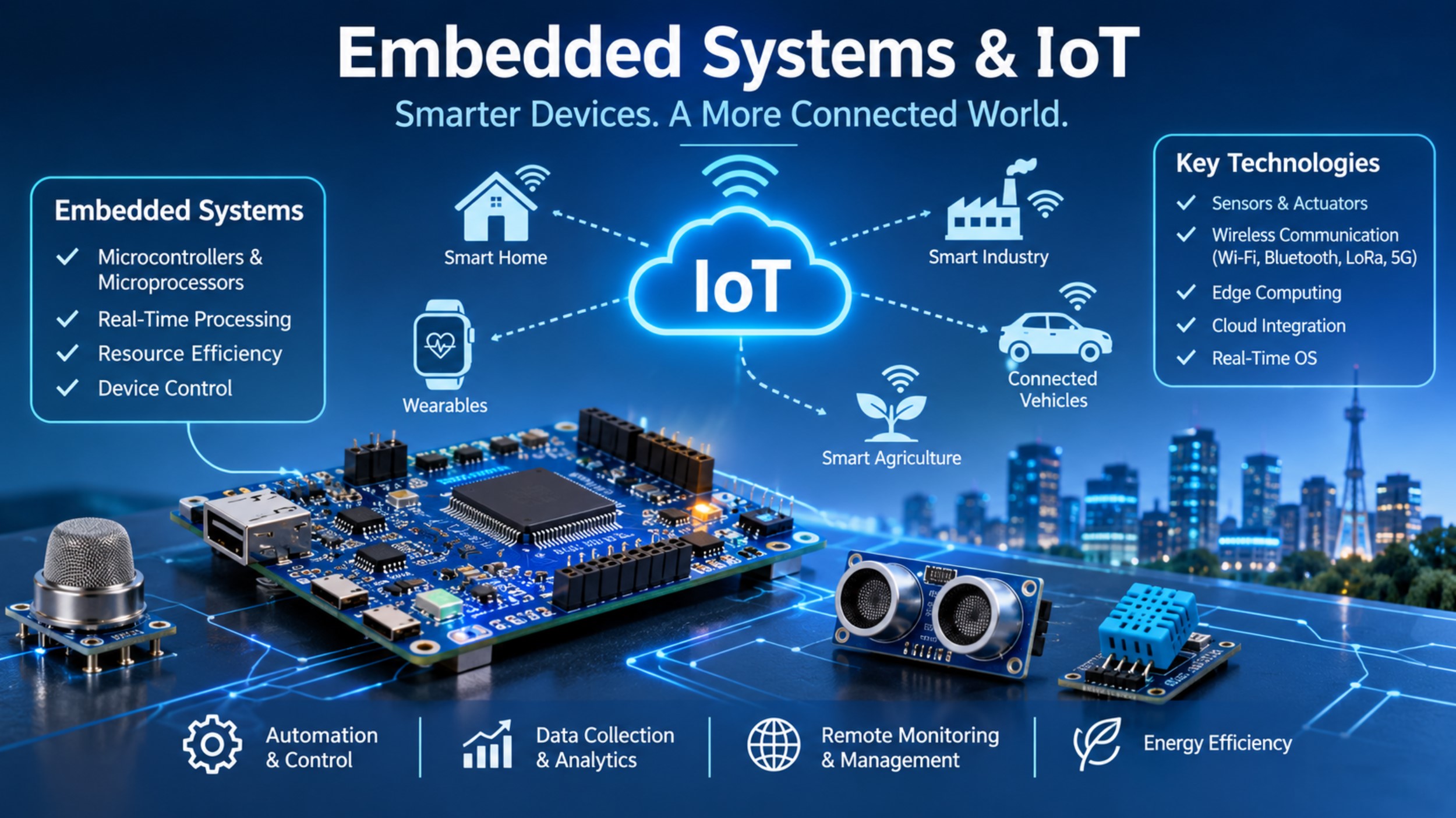
Embedded Systems & IoT
Build firmware and connected devices: C and C++ on microcontrollers, RTOS, protocols like I2C, SPI, and MQTT, low-power design, and secure IoT deployment.

FinTech Engineer
Build financial software: payments and banking APIs, ledgers, trading and risk systems, regulatory compliance, fraud detection, and secure, high-reliability architectures.
No roles match your search. Try a different keyword or filter.
Why Role-Based Roadmaps?
Built from real job descriptions, not a generic syllabus
Each roadmap is built by looking at what employers actually ask for, not a generic curriculum. We've gone through thousands of job descriptions, talked to hiring managers, and mapped out how people actually break into and move up in these roles. That's why every path covers more than the technical stack — portfolio projects, interview prep, and the soft skills that show up in the room, not just the tech stack.
Whether you're starting from zero or moving sideways into a new role, pick the one that matches where you want to end up and work through it in order. Every roadmap is kept current as tools and expectations shift, so you're always learning what the market is hiring for today.
Not sure which role fits?
Start with the one closest to what you already know, or browse by individual skill instead of by role — Kubernetes, React, Terraform, and more, one tool at a time.